


Sunlight
Full sun to partial shadePerforms best with 5–7 hours of direct sun; tolerates a half-day of shade in hot summers. Insufficient light produces lanky stems and weakens aroma.
Learn more

তুলসী একটি পবিত্র সুগন্ধি বহুবর্ষজীবী উদ্ভিদ; ভারতীয় ঐতিহ্যে দেবীরূপে পূজিত এবং আয়ুর্বেদে শ্বসন ও রোগ প্রতিরোধে ব্যবহৃত হয়।
Everything you need to know to keep your Tulsi healthy and thriving.
Performs best with 5–7 hours of direct sun; tolerates a half-day of shade in hot summers. Insufficient light produces lanky stems and weakens aroma.
Learn moreWater when the top 2 cm of soil dries; avoid waterlogging. Reduce in winter. Overwatering is the single most common cause of tulsi decline.
Learn moreLoose, well-aerated loam with neutral pH 6.0–7.5 enriched with composted manure. Heavy clay or compacted soils suppress root mass.
Learn moreThrives in warm humid air; below 10 °C foliage yellows and drops. Bring potted plants indoors during North Indian winters.
Learn moreMonthly dilute liquid feed in growing season; over-fertilising dulls aroma and produces soft, pest-prone growth.
Learn morePinch flowering spikes weekly to keep the plant bushy and aromatic. Allow occasional flowering for seed and pollinator support.
Learn moreHow to care for your Hibiscus throughout the year.
 Yellow LeavesCause
Overwatering or poor drainage
SolutionReduce watering and improve drainage.
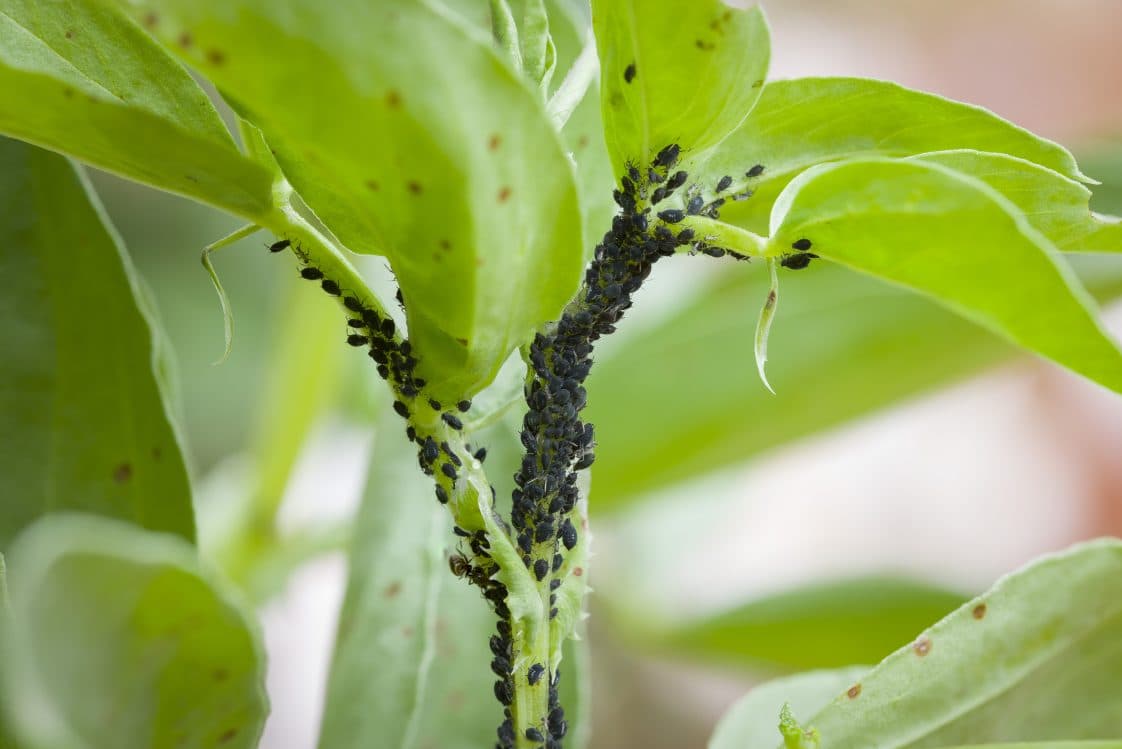 PestsCause
Aphids, mealybugs, and spider mites
SolutionUse neem oil or insecticidal soap.
 No FlowersCause
Lack of sunlight or nutrients
SolutionProvide 6+ hours sunlight daily.
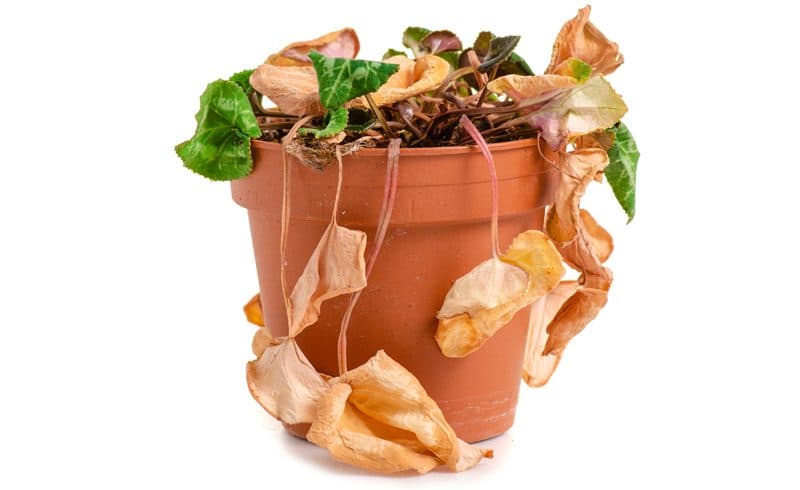
 Wilting LeavesCause
Underwatering or extreme heat
SolutionWater thoroughly and move to shade.
Deadhead regularly to encourage more blooms.
Mulch the soil to retain moisture and suppress weeds.
Move the plant to a larger pot if roots are bound.
Use organic compost for healthy growth and more flowers.