


Sunlight
Full Sun6-8 hours of direct sunlight daily for best flowering.


The pomegranate is a fruit-bearing, deciduous shrub in the family Lythraceae, subfamily Punicoideae, that grows to between 1.5–5 metres (5–16 ft) tall. Rich in symbolic and mythological associations in many cultures, it originated in the region spanning the Caucasus and the Iranian plateau — including modern-day Iran, Turkmenistan, Afghanistan and Pakistan. Pomegranate was first domesticated by ancient Iranians in the Iranian plateau and nearby regions about 5,000 years ago. It is extensively cultivated for its fruit.
The key requirements to keep your Pomegranate healthy and thriving.
6-8 hours of direct sunlight daily for best flowering.
Water when the top inch of soil feels dry. Avoid overwatering.
Prefers well-drained, fertile, loamy soil rich in organic matter.
Use balanced fertilizer every 2-3 weeks during growing season.
Prune regularly to maintain shape and encourage more blooms.
Thrives in warm temperatures. Protect from frost.

How to care for your Hibiscus throughout the year.
 Yellow LeavesCause
Overwatering or poor drainage
SolutionReduce watering and improve drainage.
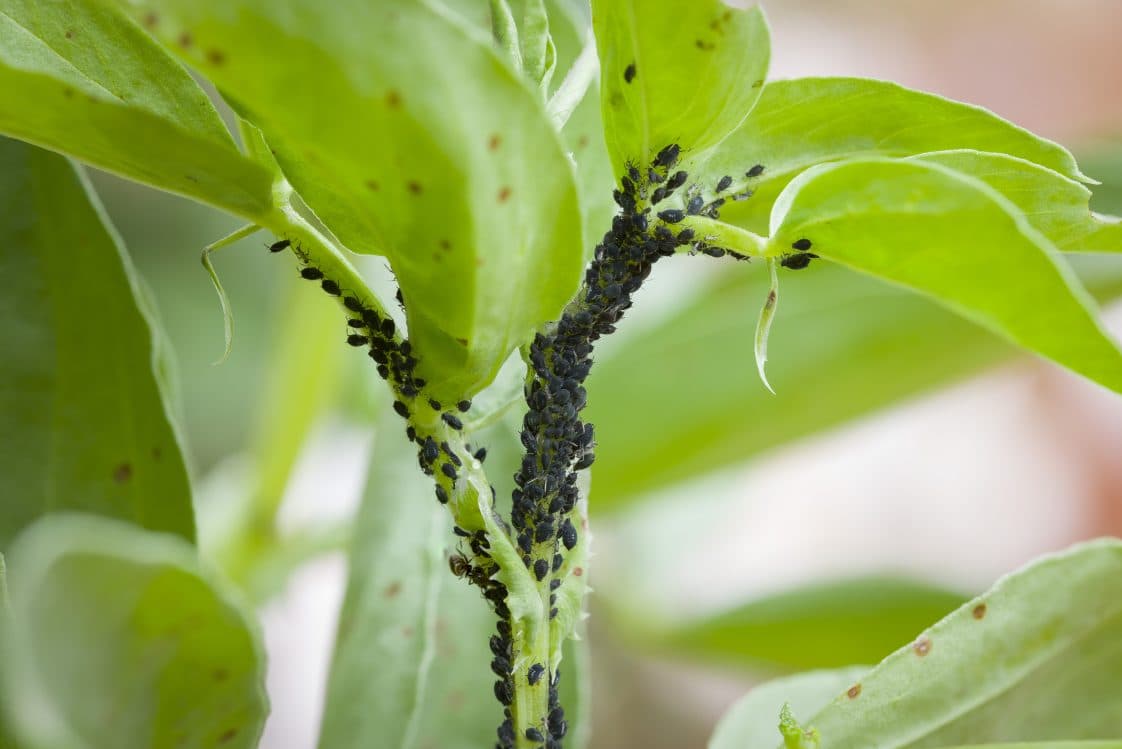 PestsCause
Aphids, mealybugs, and spider mites
SolutionUse neem oil or insecticidal soap.
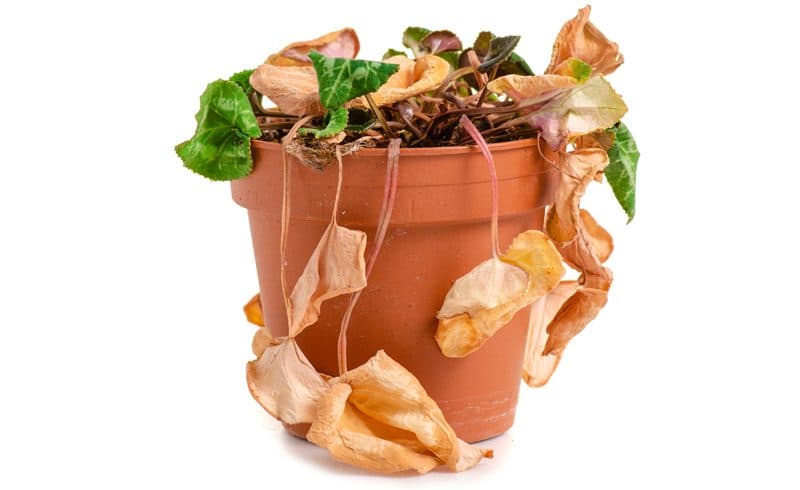 No FlowersCause
Lack of sunlight or nutrients
SolutionProvide 6+ hours sunlight daily.
 Wilting LeavesCause
Underwatering or extreme heat
SolutionWater thoroughly and move to shade.
Deadhead regularly to encourage more blooms.
Mulch the soil to retain moisture and suppress weeds.
Move the plant to a larger pot if roots are bound.
Use organic compost for healthy growth and more flowers.